Law & Research
Research interests in AI ethics and governance, climate litigation and access-to-justice technology.
The story
Why law
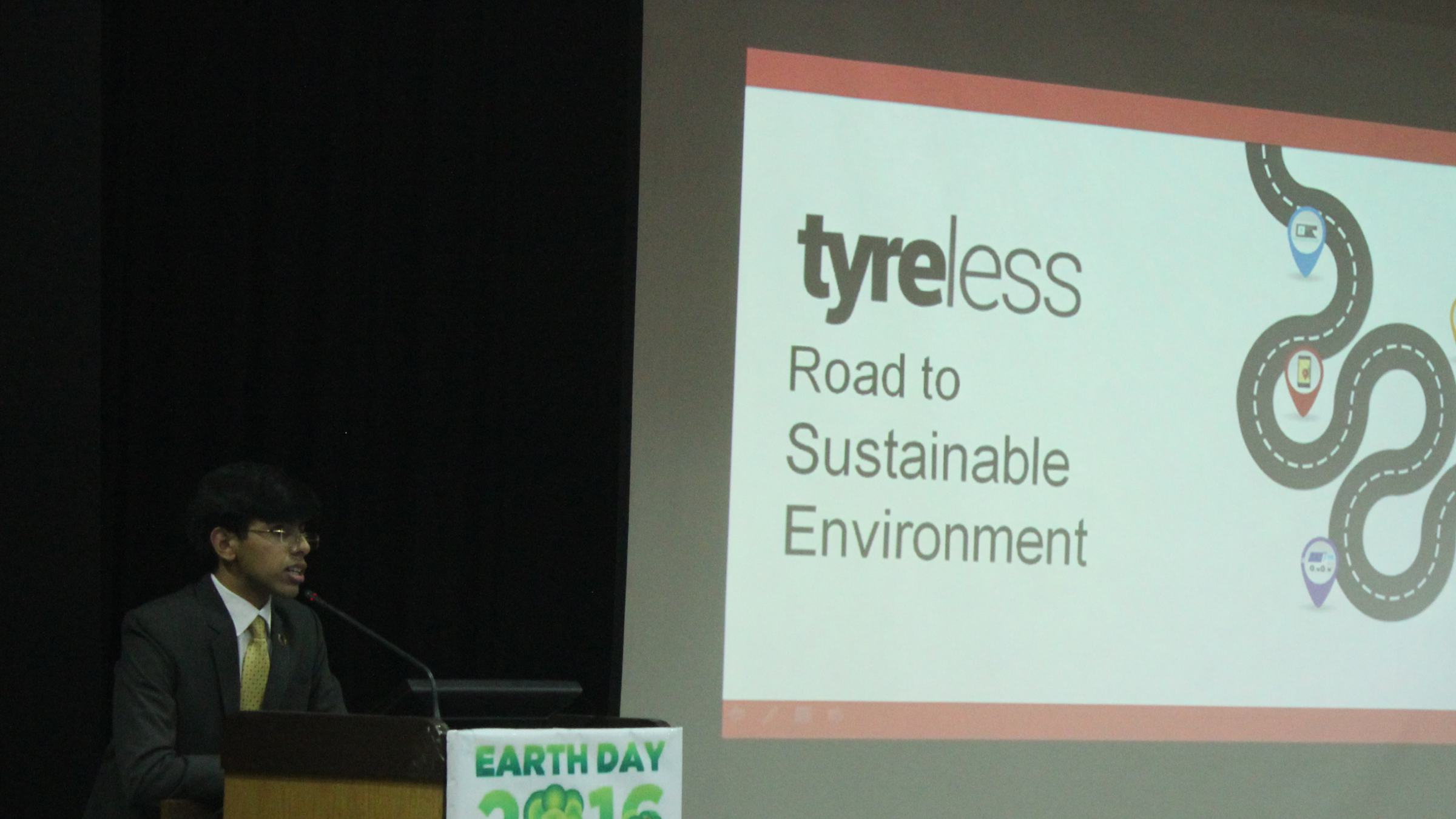
In 2015, at 16, he built Tyrelessly, a digital platform that connected scrap-tyre generators with licensed processors across five Indian states. To scale it into a nationally licensed operation, it needed regulatory approvals, and a government official asked for a bribe to grant them.
He refused. He was not yet 18, he did not have the resources to fight, and he was not willing to build something that ran on corruption.
The encounter taught him something he has not stopped thinking about since. Systems do not fail small actors because the people inside them are malicious. They fail because the incentives are wrong and accountability is absent. The only way to change the outcome is to change the design.
That is why he turned to law. The Bar was not the destination. It was the tool: a way to widen access to justice for people and organisations who cannot access or afford traditional legal services. Read the full story.
Called to the Bar of England and Wales (Inner Temple, 2022)
Research
Research interests
- AI ethics and governance
- Climate litigation: comparative jurisdictions, regulatory accountability and public law
- Access to justice technology
- Energy and material recovery
- Bioremediation
- Environmental policy
Peer-reviewed
Peer-reviewed paper
"Energy Recovery from end-of-life tyres through an alternative to thermochemical process" International Journal of Sustainable Energy and Environment · ISSN 2327-0330 · Vol. 4, No. 3
Practice
British Legal Office
British Legal Office is a Community Interest Company he has advised since May 2021. It provides unreserved legal activities to people and organisations who cannot access or afford traditional legal services. Its focus is small businesses and organisations establishing in the UK, and the human rights, environmental and modern slavery duties that come with running a responsible business.
In development
AI triage tool
The next piece is access-to-justice infrastructure: a multilingual, voice-first triage tool for environmental law queries. Someone affected by pollution, a planning decision or a regulatory breach explains their situation in their own language. The tool guides them in plain terms, stays within non-reserved activity, and produces a lawyer-ready summary for handover to a qualified practitioner. It is currently in development.
In development
Writing
Columns and newsletter
He writes on law, technology, policy and economics for newspapers and magazines. His newsletter is Think Sustainably.
Editors and organisations are welcome to get in touch about contributions on environment, AI, law and related topics.
The academic and the practical are not separate tracks. They are the same track at different speeds.
Get in touch
Tell him what problem you are fixing.